



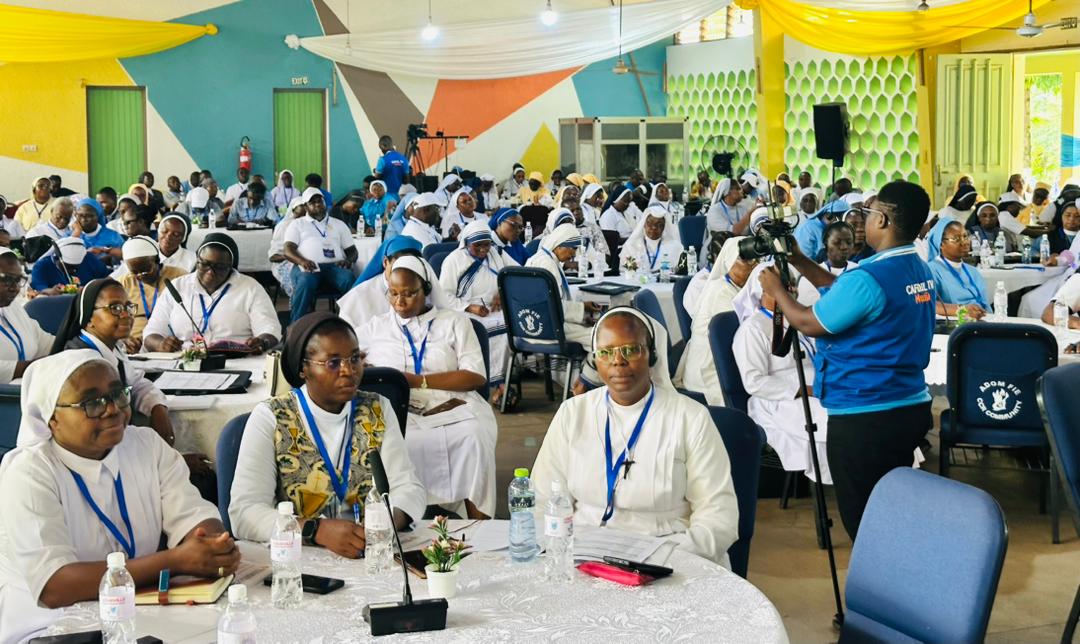
In a profound call to renewal, the Senior Programme Officer for the Catholic Sisters Initiative (Africa) at the Conrad-Hilton Foundation, Ms. Angelique Mutombo, has urged Consecrated Persons to embrace transformational leadership, as it would help them to effectively guide others toward spiritual and social change.
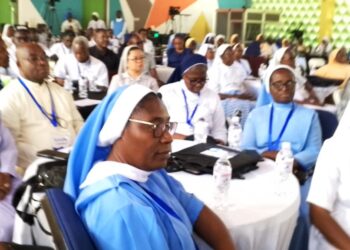
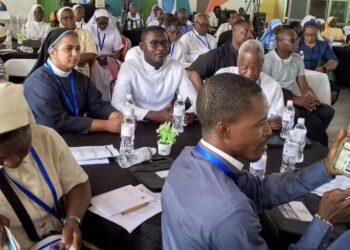
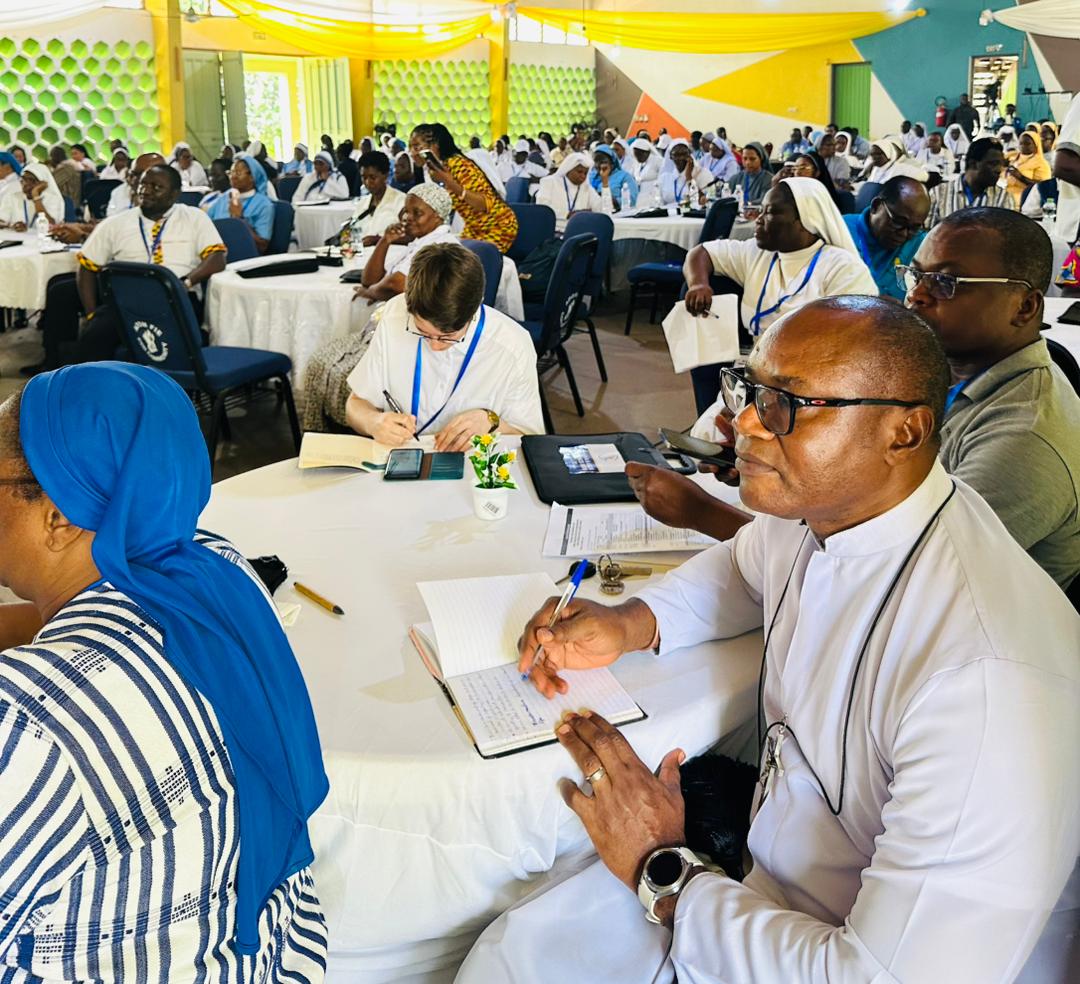
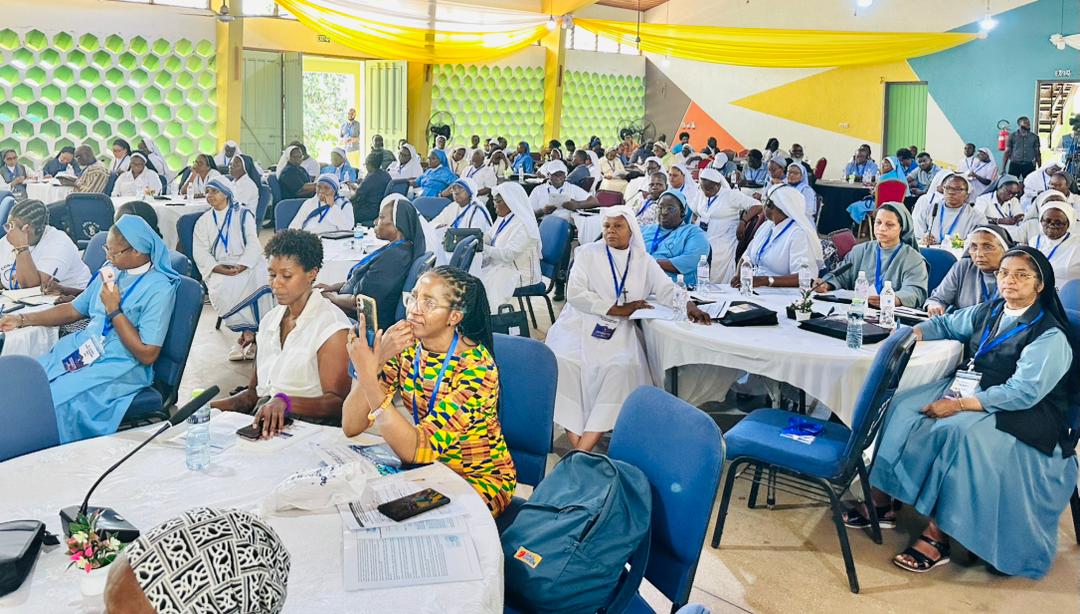
She made this call on March 13, 2026 at the Regional Conference of Major Superiors of West Africa ( RECOMSWA) and Africa Religious Union of Ghana( ARUG) that took place at the Christian Village, Santasi-Kumasi, in the Ashanti Region of Ghana, West Africa.
Advocating for a model of Consecrated Transformational Leadership, rooted in a Christ-centred and servant heart, Ms. Mutombo maintained that this leadership approach demands that leaders first undergo personal conversion, in order to effectively guide others toward spiritual and social change.
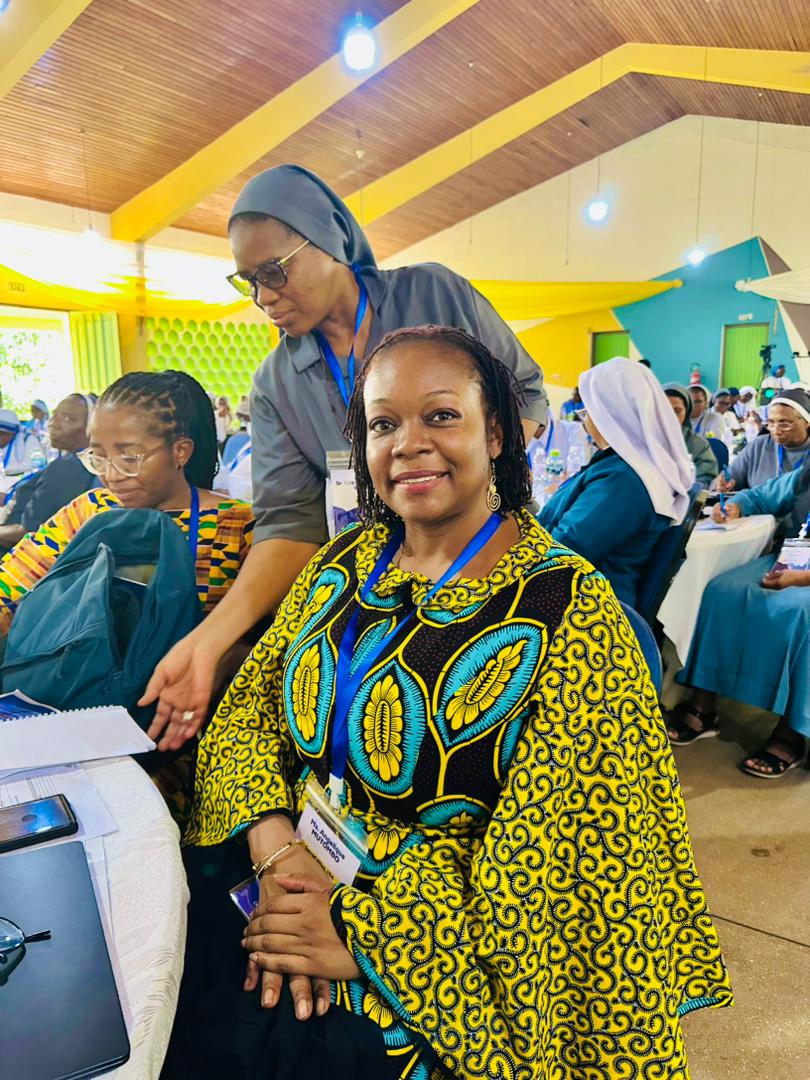


She noted that Transformational Leadership is not merely a collection of management techniques, but a sacred vocation, inviting those in authority to lead from the very depths of their faith.
The Programme Officer affirmed that the foundation of the leadership model rests on three pillars: disciplined self-awareness, relational effectiveness, and organizational wisdom.
Ms. Mutombo expressed that by integrating these dimensions, religious communities can create a practical roadmap for formation that begins with inner spiritual work and extends into the creation of healthier, more faithful institutions.
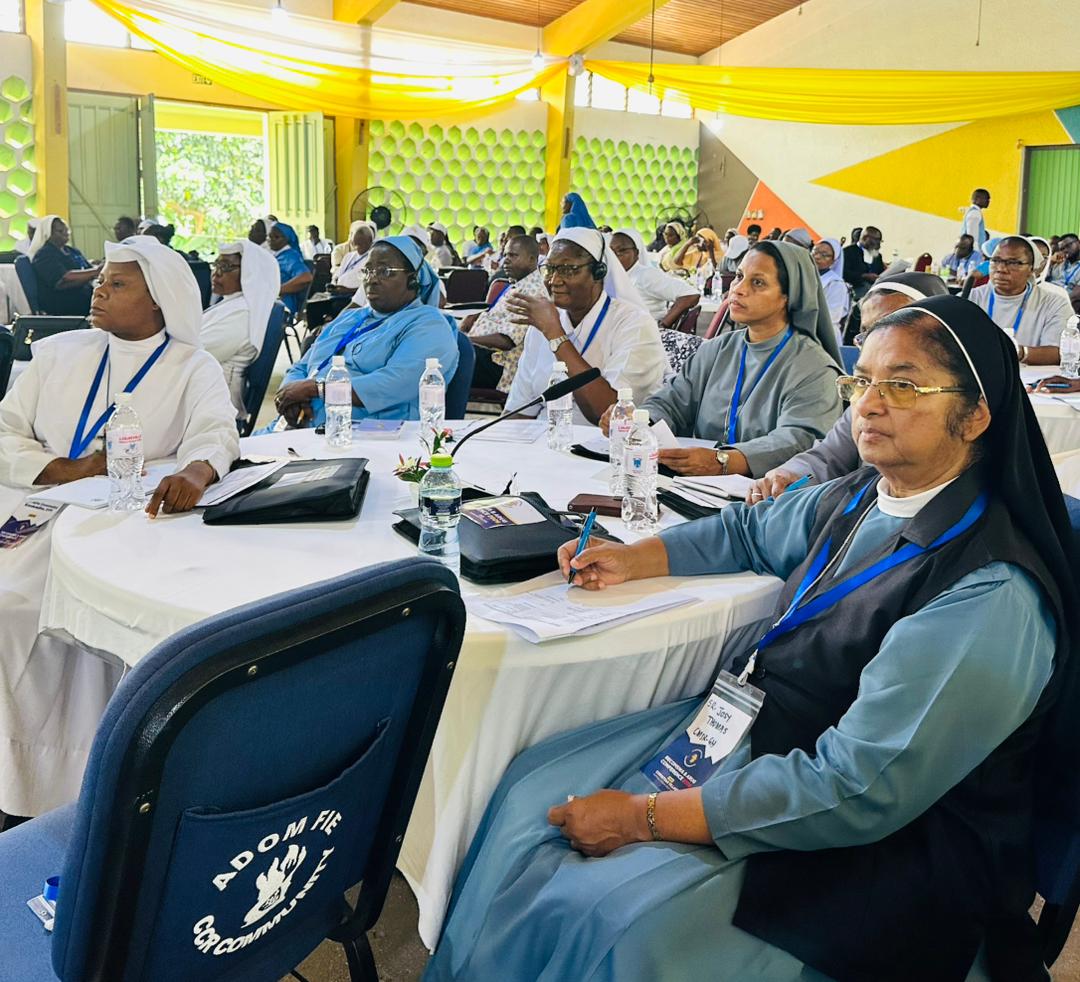
She further encouraged leaders of the consecrated persons to equip their members with necessary skills required for the complex demands of modern governance and strategic mission.
Buttressing more on the topic, she admonished the leaders to move beyond basic administrative skills and instead cultivate “the grammar of our witness” through humility, meekness, and compassion.
She emphasized that a lifestyle of service, marked by simplicity and solidarity, communicates the Gospel more eloquently than any speech. When leaders model these virtues, she noted, they foster a culture of belonging where every member of the community feels seen and valued.
This shift, she said, allows communities to move away from rigid “command-and-control” models toward collaborative, mission-driven cultures.
Ms. Angelique highlighted the practical support available for the transformative journey and the extensive contributions of the Hilton Foundation’s Catholic Sisters Initiative.
She disclosed that the Foundation actively supports safeguarding for women religious and vulnerable populations, partners with various Vatican Dicasteries, and funds Sabbatical programs for sisters needing rest after leadership terms.
The Hilton Foundation Official also mentioned the Sister-led Youth Empowerment Initiative (SLYI) and support for Talitha Kum’s anti-human trafficking efforts as vital components of the “talent” required to sustain modern leadership.
In her final appeal, she urged the assembly to commit to “the inner work” through journaling, peer learning, and intentional mentorship.
She reiterated that servant-leadership must become the habit of governance, guided by fairness, accountability, and mercy. Grounding her message in Scripture, she reminded the listeners of the Apostle Paul’s exhortation in Romans 12, to not be conformed to the world but to be transformed by the renewing of their minds.
This, she concluded, is the only way to truly discern and fulfil the “good, acceptable, and perfect will of God”.
By Sr. Sheila Adombire, HHCJ, Sr. Sylvie Lum Cho, MSHR, Sr. Agnes Mercy Nyatsoe, SMMC and Sr. Gifty Anastasia Blewu, SMMC and (Catholic Sister Communicators Network, Ghana – CASCON-GH)